



 CHILLERS & HEATERS
 Chiller
 Heater
 Air Pump
 Aquascaping Tools
 Dosing Pumps
 Food Timer
 Glue
Glue Maintenance Tools
 Skimmers
 Timer
Timer Tubes and Pipes
 Wave Makers
 CO2 Complete Kits
 CO2 Cylinders
 CO2 DIY Kits
 Diffusers
 Regulators
 Spares & Accessories for CO2
 Liquid Fertilizers
 Liquid Additives
 Root Tabs
 Food Supplements
 Flakes
 Floating Pellets
 Sinking Pellets
 Drift Woods
 Rocks
Rocks Sands
Sands LED Lights
 UV Lights
 Spare Lamp and Tubes
 Submersible Pump
 Spares and Accessories
 Aqua Gravel
 Aqua Soil
 Substrate Additives
 Multi Bottom / Iron Bottom
 Power Sand / Power Sand Advance
 Algae Treatment
 Fish Treatment
 Water Conditioners
 Water Test Equipment
 Water Treatment


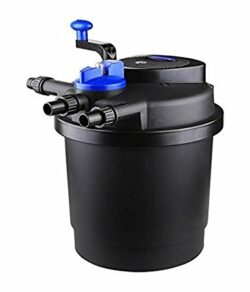
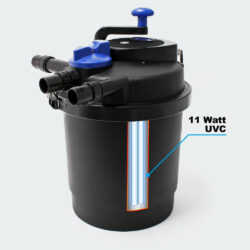
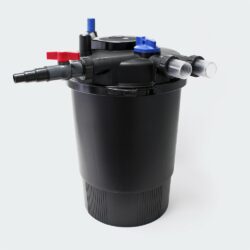
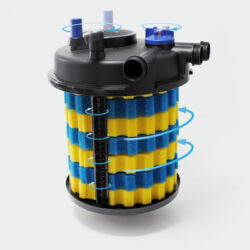
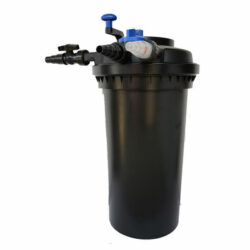
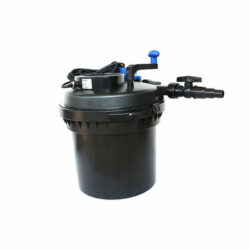
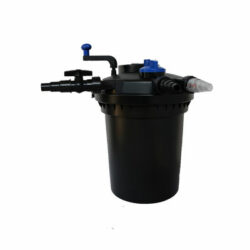
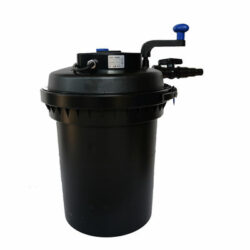
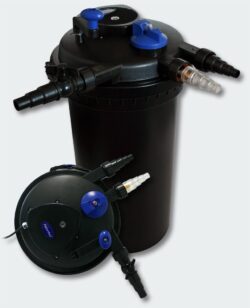
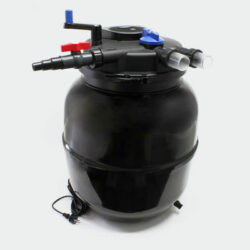
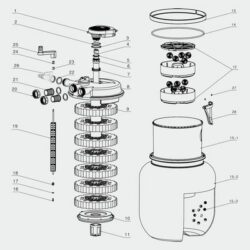
Pond Filters & Pressurised UV Filtration Systems
Buy pond filters online in India for koi ponds, ornamental fish ponds, garden ponds and outdoor water features. Aqua Zones offers pressurised pond filters, integrated UV pond filters, biological and mechanical filtration systems, replacement sponges and related pond filtration equipment from leading brands including SunSun, Jebao and Oase.
Choose a pond filter according to pond volume, fish load, sunlight exposure, pump flow rate and whether integrated UV clarification is required. Pressurised pond filters are especially useful where filtered water needs to return under pressure to a waterfall or elevated outlet.
Showing all 33 resultsSorted by latest
Show
All
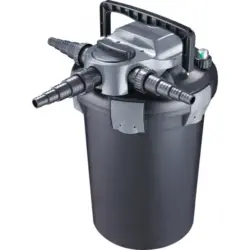
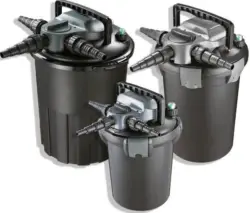
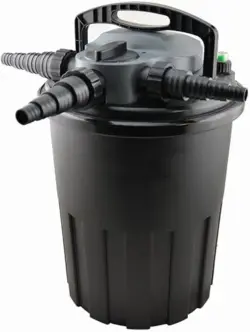
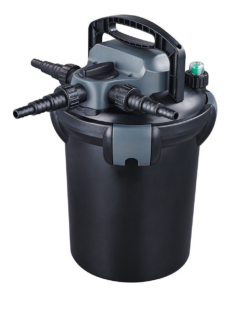
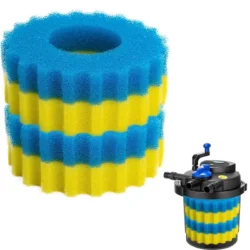
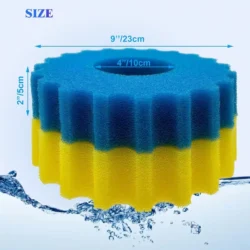
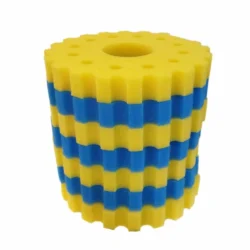
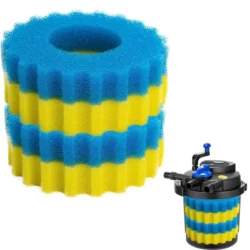
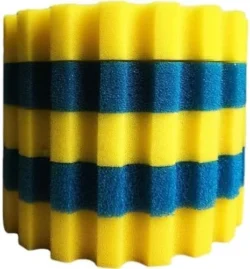
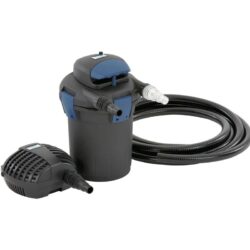
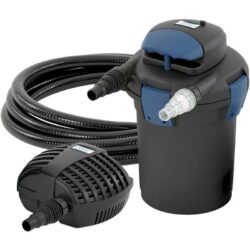
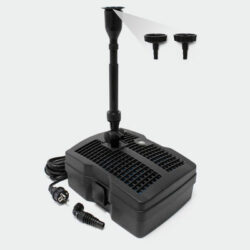
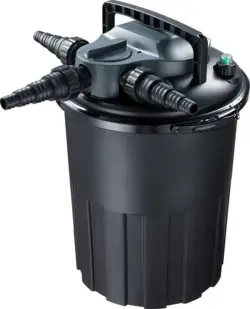
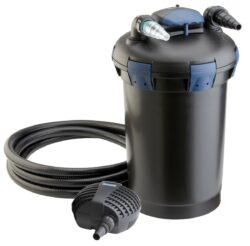
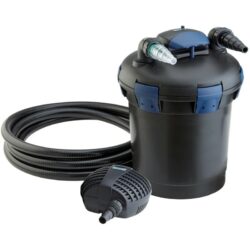
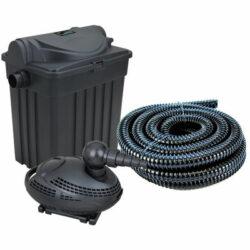
Oase BioPress Set 4000 Pond Filter
Original price was: ₹ 33,200.00.₹ 26,055.00Current price is: ₹ 26,055.00.